

$30 Billion is Available in Trust for Mesothelioma Patients
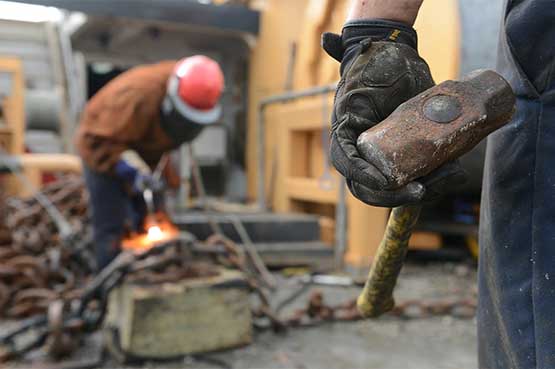
Tradesmen in many industries were negligently exposed to asbestos materials well into the 1990s. Whether you developed Mesothelioma yourself due to asbestos exposure or you're the surviving family of a lost loved one you could be entitled to significant compensation.
How much Money do People Receive from a Mesothelioma Case?
Depending on where you were exposed and a few other factors, you can get a settlement from 6 to 7 figures. Here are a few examples of Mesothelioma Settlements received by our clients. These figures are the total compensation after attorney fees and expenses are deducted.

$6,142,500
Exposed through heavy duty vehicles
$6,033,510
Exposed through general contracting
$5,939,010
Exposed through boat repair
$3,921,750
Exposed through navy service
$3,600,450
Exposed through navy service
$3,403,890
Exposed through HVAC trades

We've Recovered over $1 billion for Mesothelioma Patients
We've helped hundreds of people just like you get compensation for their pain or loss. Don't delay, contact us today for a free evaluation for your case.